
01 · A year inside one room
I needed something that belonged to hope.
During one hospital stay, I was an inpatient for an entire year. A year is long enough for a hospital room to start feeling like the whole world. Days become alarms, treatments, medications, and the question of what your body will allow next.
So much of my life was being measured by what I could not do. I wanted to begin something of my own—not to pretend I was well, and not to ask anyone to feel sorry for me, but to turn some of that waiting into purpose. I told my mom I wanted to organize a walkathon.
My mom is my greatest supporter and my best friend. She did not dismiss the idea because I was sick or tell me to wait for a more convenient life. She heard what I was trying to build, and she helped make room for it.

02 · Making participation possible
A treadmill beside the medical equipment.
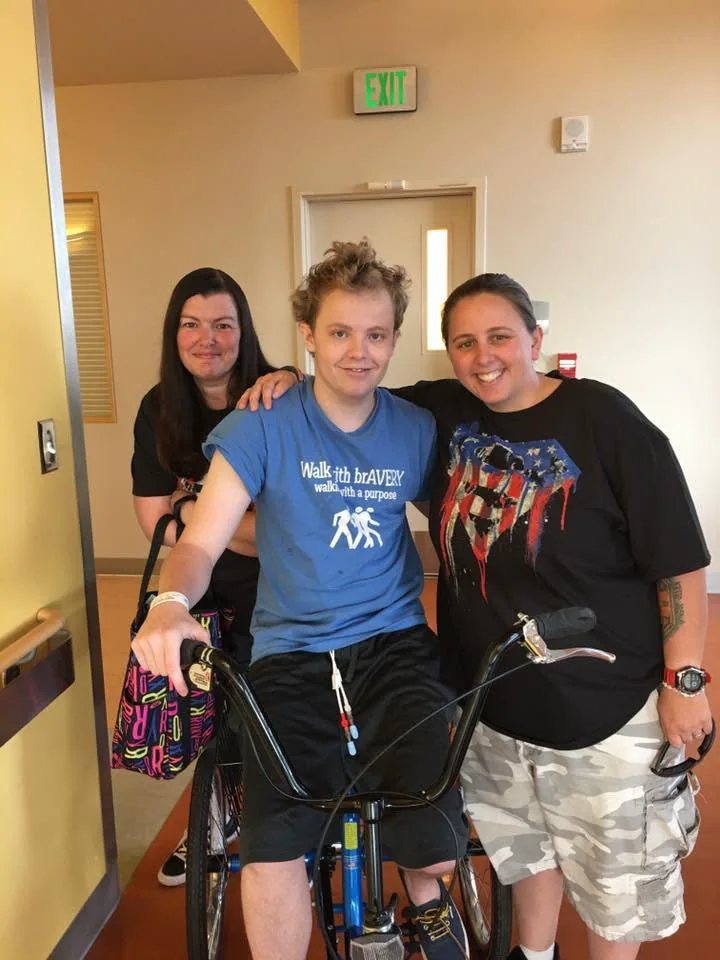
Together, my mom and I brought a treadmill right into my hospital room. It looked almost out of place beside the oxygen, tubing, monitors, and everything else that came with being an inpatient. That was the point: if I could not go to the path, the path could come to me.
I walked when my body allowed it. Some days offered more than others. The walkathon was never about forcing my body to perform wellness or proving that determination can erase illness. The brave part was taking the next honest step with the body I had that day.
Bravery was not ignoring my limits. It was refusing to let those limits erase my ability to begin something meaningful.
03 · Miles became connection
People did not just donate to the walk. They joined it.
People began answering from outside the room. They walked, ran, rode, worked out, and shared photographs of watches, treadmills, step totals, and finished routes. Some went alone. Some brought a friend. Some returned week after week.
Again and again, their messages carried the same meaning: these miles are for you, Avery. Every contribution made the hospital room feel a little less isolated.
The surviving walkathon archive
Ordinary days became part of something shared.
Public mile posts continued from late 2016 into the summer of 2017. A one-mile treadmill walk counted. So did chilly morning miles, evening miles, holiday runs, rides with friends, and a week that reached 92,169 steps and 46.50 miles.
The archive holds big weeks and smaller days beside each other. It was never a competition. Every person offered what they had, and every record said that my cause had become part of somebody else's day.
Shared here without names or locations. Route maps, pins, street names, and identifying details have been permanently removed, and location metadata has been stripped from every image.
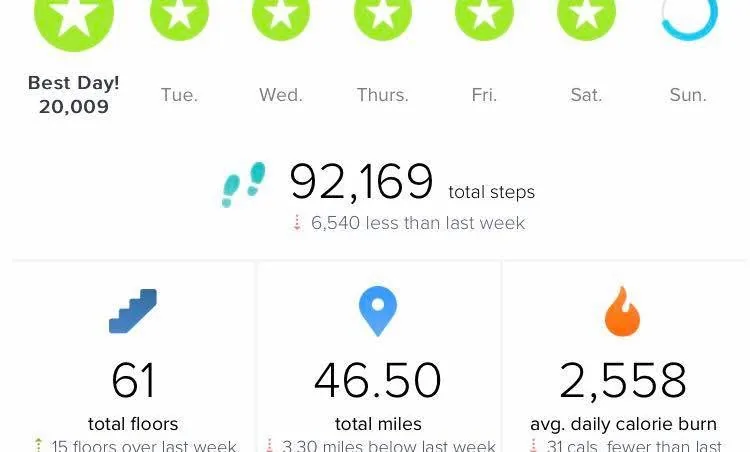
One supporter turned an entire week of ordinary movement into a message of care.

On New Year’s Eve, miles arrived from a morning run shared with friends.
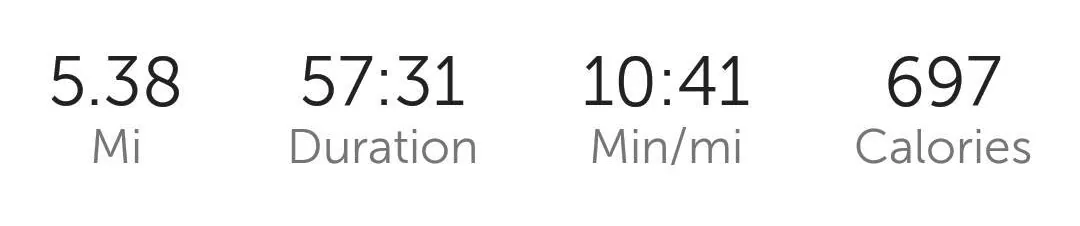
Two Thanksgiving 8K finishes were added together and dedicated to the walk.
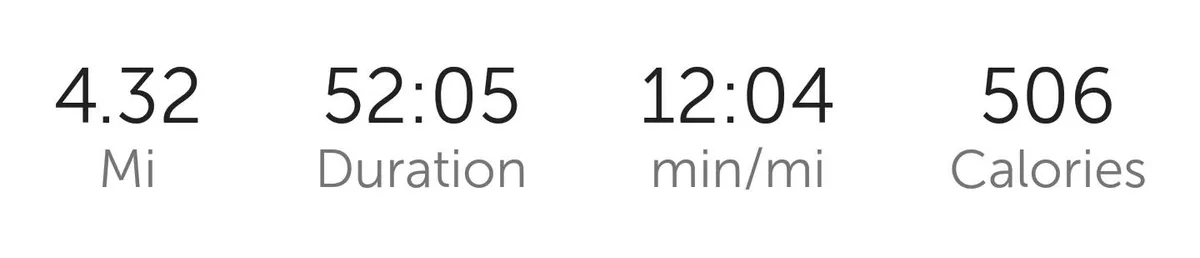
The posts continued through winter, one honest outing at a time.
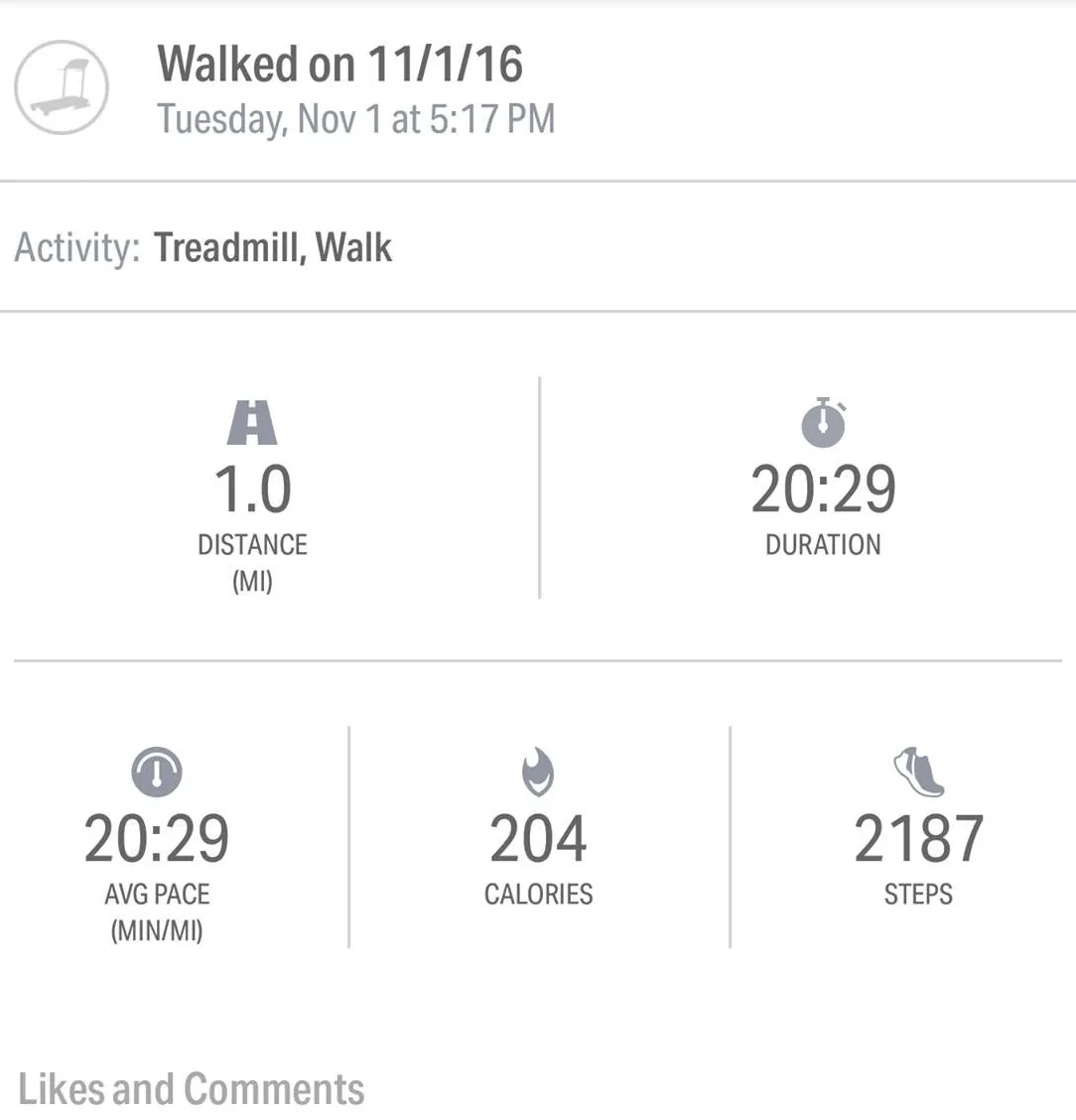
A supporter counted a treadmill walk, echoing the treadmill in my hospital room.
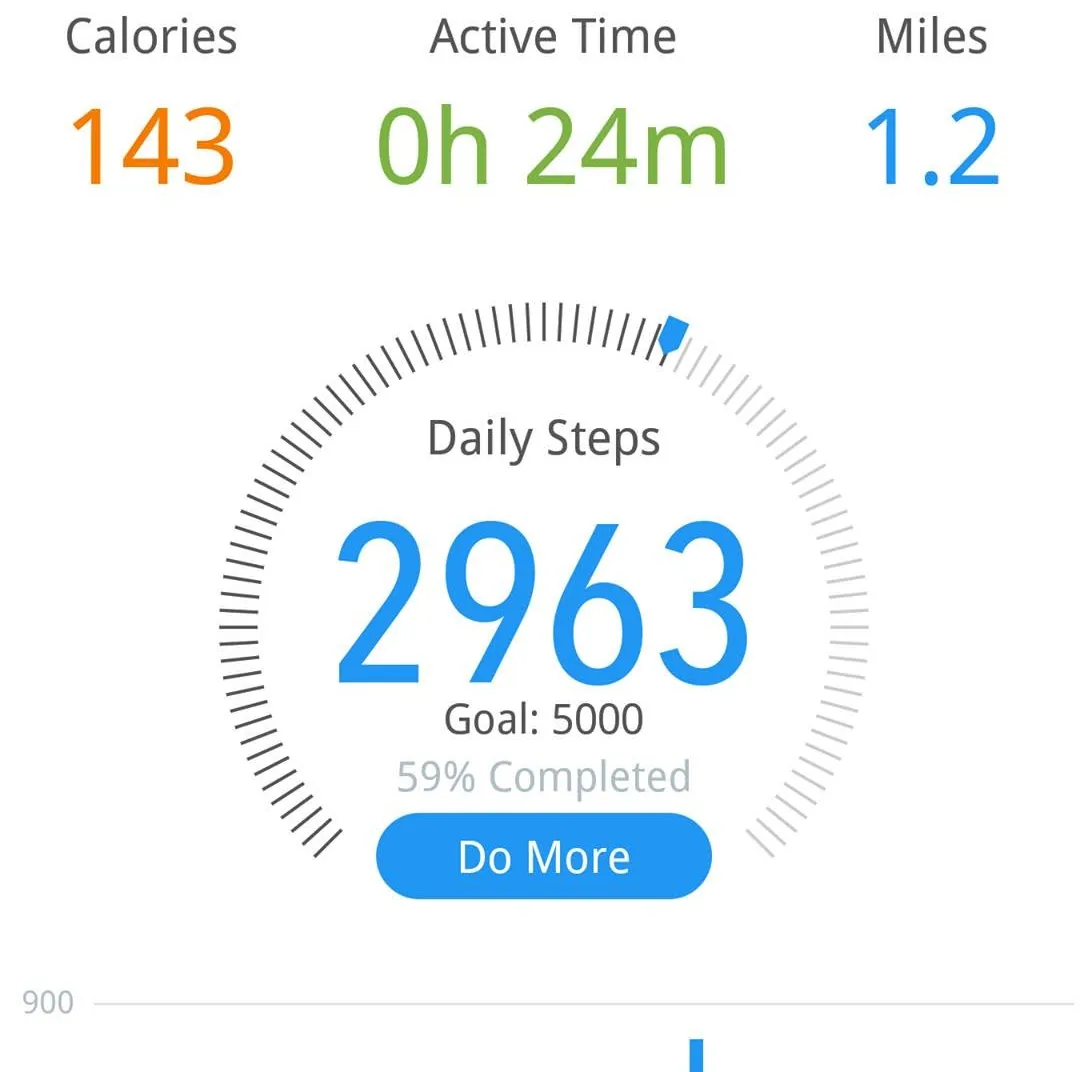
The archive kept both the big weeks and the smaller days. Every mile was part of the walk.
I do not remember these as fitness statistics. I remember people choosing connection over distance—and showing me that courage can be shared.
Visit the public photo archive04 · A walk with a cause
Visibility for lives too easily overlooked.
We dedicated the steps and proceeds to the autoimmune department. Autoimmune and rare diseases can be difficult to explain and easy for the wider world to overlook. They do not always receive the attention or funding that better-known illnesses do, even while they reshape entire lives.
I wanted the walk to make those realities more visible without turning the people living them into objects of pity. Illness is part of my story, but it is not the measure of my ability, my dignity, or my worth. That belief still guides everything I share.
Read my Rare Disease Day reflection05 · Where the name came from
Walk With Bravery is an invitation.
It is not a demand to hide fear, force a smile, or act as though hard things do not hurt. It means taking the next honest step—and letting other people take it with you.
The photographs behind the treadmill and the records arriving online changed the feeling of the room. They were proof that distance did not have to mean disconnection. I was the one on the treadmill, but I was never walking alone. That is the truth the name has carried ever since.
The same idea, carried forward
The accommodation changed. The purpose did not.
The treadmill did not make me less sick; it made participation possible inside the life I actually had. That is how I understand AI in my life today. It does not give me courage, ideas, or a voice. It reduces the distance between what is inside me and what I can share with the world.
The walkathon led to writing, videos, music, advocacy, and the things I now build with AI. The tools have changed. The mission is still to help people feel understood, show what disabled adults can contribute, and make sure no diagnosis gets to define the whole person.